
The Overthrow of the Hawaiian Kingdom (1893)
This history is documented in presidential records and U.S. archives, yet rarely taught. The overthrow of Hawaiʻi reveals how American expansion included the removal of Indigenous sovereignty—not just settlement.
6/10/20261 min read
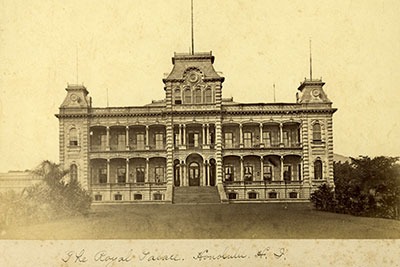
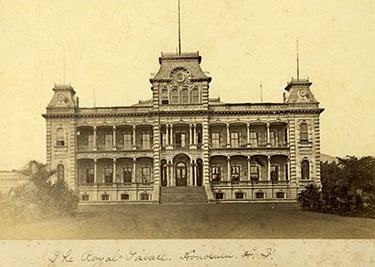
The Overthrow of the Hawaiian Kingdom (1893)
In 1893, the independent Hawaiian Kingdom was illegally overthrown in a coordinated action involving American businessmen, armed militia, and the presence of U.S. Marines. At the center of this event was Queen Liliʻuokalani, Hawaiʻi’s last reigning monarch, who sought to preserve her nation’s sovereignty and protect Native Hawaiian political power.
The Hawaiian Kingdom was not a colony—it was an internationally recognized sovereign nation with treaties signed by the United States, Britain, France, and others. It had its own constitution, courts, schools, and diplomatic relations. By the late 19th century, however, American sugar planters and business interests sought annexation to avoid tariffs and consolidate economic control.
In January 1893, a small group calling itself the “Committee of Safety,” backed by U.S. Minister John L. Stevens, staged a coup against the Hawaiian government. U.S. Marines were landed in Honolulu, not to protect the Queen, but to intimidate royal forces. Facing the threat of bloodshed, Queen Liliʻuokalani temporarily yielded her authority under protest, trusting the United States to correct the injustice.
The evidence is explicit. In 1894, President Grover Cleveland ordered an investigation. The resulting Blount Report concluded that the overthrow was illegal and acknowledged that U.S. agents had abused their power. Cleveland called the act “a substantial wrong” and demanded the Queen’s restoration.
That restoration never happened.
Despite the findings, U.S. business interests prevailed. Hawaiʻi was annexed in 1898 without a treaty ratified by the Hawaiian people. Native Hawaiians protested in mass petitions, collecting tens of thousands of signatures opposing annexation—records that still exist in U.S. archives today.
Why is this history often minimized?
Because it exposes U.S. expansion as imperial rather than democratic. Acknowledging the overthrow forces recognition that American power was built not only through settlement, but through the removal of Indigenous sovereignty.
The overthrow of the Hawaiian Kingdom was not a misunderstanding—it was a deliberate act with documented evidence. The truth remains preserved in presidential papers, diplomatic records, and Native Hawaiian memory, waiting to be fully reckoned with.