
The FBI’s War on Black Leadership (1956–1971)
This article examines COINTELPRO, the FBI’s covert counterintelligence program that targeted Black civil rights leaders and organizations from 1956 to 1971. Drawing on declassified FBI files and congressional investigations, it documents how surveillance, infiltration, and disinformation campaigns were used against lawful political activism. The piece grounds its claims in federal records, court cases, and Senate findings that remain publicly accessible today.
6/16/20261 min read
The FBI’s War on Black Leadership (1956–1971)
From 1956 to 1971, the Federal Bureau of Investigation operated a covert counterintelligence program known as COINTELPRO (Counter Intelligence Program). While originally framed as a national security effort aimed at communist organizations, internal FBI directives later expanded the program to target civil rights groups and Black political organizations.
Declassified FBI files—released after activists broke into an FBI field office in 1971 and later confirmed by congressional investigations—demonstrate that COINTELPRO operations included surveillance, infiltration, disinformation campaigns, and efforts to disrupt leadership structures. Among those targeted was Martin Luther King Jr., whose phones were wiretapped and whose personal life was monitored extensively. Internal memos reveal attempts to discredit him publicly, including the mailing of anonymous letters intended to damage his reputation.
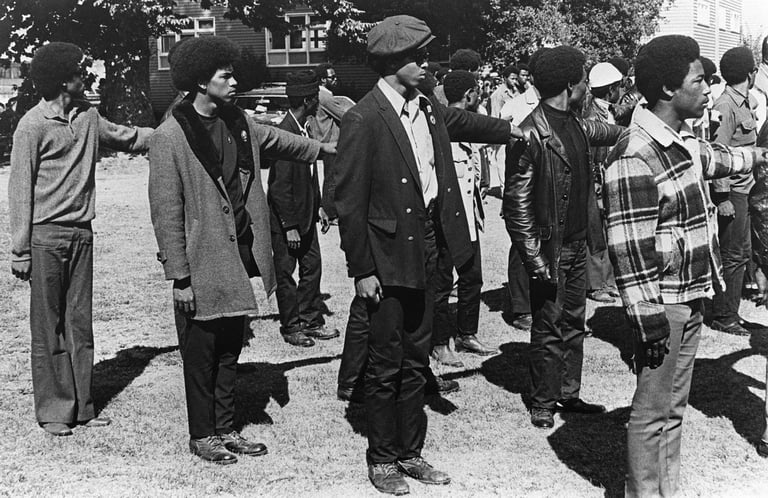
Organizations such as the Black Panther Party were also targeted. FBI field offices were instructed to “expose, disrupt, misdirect, discredit, or otherwise neutralize” Black nationalist groups. Tactics included planting informants, spreading false information to create internal conflict, encouraging rivalries between groups, and coordinating with local law enforcement to conduct raids and arrests.
One of the most documented cases involved the 1969 raid in Chicago that resulted in the death of Black Panther leader Fred Hampton. Subsequent court cases and released FBI documents revealed that a paid informant had provided detailed floor plans of Hampton’s apartment to authorities prior to the raid.
The scope of COINTELPRO became widely known after the 1975 U.S. Senate Church Committee investigation, which concluded that the FBI had exceeded its authority and violated constitutional protections. The committee’s report confirmed that many of the operations were not aimed at preventing violence, but at suppressing lawful political activism.
This history is not speculative. It is preserved in FBI memoranda, court filings, congressional hearings, and thousands of declassified documents available through the National Archives. COINTELPRO represents a documented chapter in American history where federal power was used to monitor and disrupt movements seeking civil rights and racial justice.
The records remain open. The paper trail is extensive. And the evidence speaks in its own ink.