
The 1917 East St. Louis Massacre
**Brief Description** This article examines the 1917 East St. Louis Massacre, a major episode of racial violence during World War I. It explores how labor tensions, migration, and discrimination contributed to the destruction of Black neighborhoods and the displacement of residents. Drawing on congressional hearings, investigative reports, and newspaper archives, the piece highlights documented evidence of the events and their impact on early civil rights activism in the United States.
6/12/20262 min read
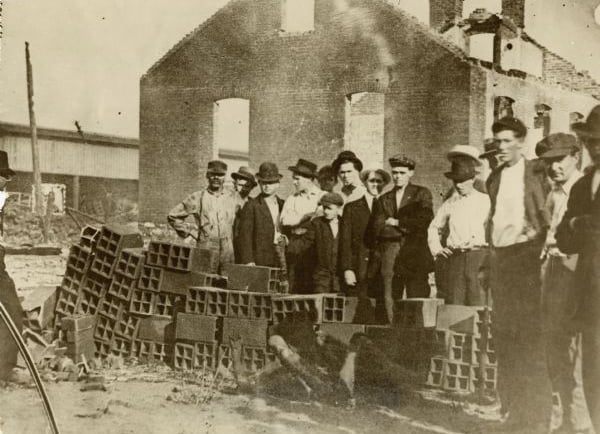
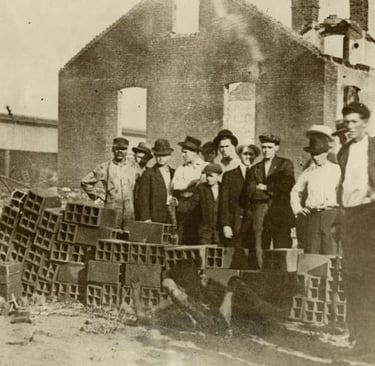
The 1917 East St. Louis Massacre
In the summer of 1917, the industrial city of East St. Louis, Illinois became the site of one of the most devastating episodes of racial violence in early twentieth-century America. The unrest unfolded during a period of rapid economic and social change. As the United States mobilized for World War I, factories in cities like East St. Louis expanded production and recruited workers from across the country. At the same time, thousands of Black Americans were migrating from the South to northern industrial centers in what would become known as the Great Migration.
Tensions in East St. Louis had been building for months. Labor competition, racial discrimination, and inflammatory rhetoric in local politics contributed to an atmosphere of hostility. Black workers were sometimes brought in as strikebreakers during labor disputes, which further heightened resentment among white workers and local residents. On July 1 and July 2, 1917, violence erupted across the city.
Armed white mobs attacked Black neighborhoods, setting homes and businesses on fire and assaulting residents attempting to escape. Streets were filled with chaos as families fled burning buildings. Eyewitness accounts described widespread destruction and the displacement of hundreds of residents. Official death counts reported dozens of fatalities, though historians and investigators have suggested that the true number may have been higher. Thousands of people were left homeless as entire blocks of housing were destroyed.
The scale of the violence drew national attention. Civil rights organizations, including the NAACP, conducted their own investigations and documented survivor testimonies. Journalists reported extensively on the attacks, bringing the events into the national spotlight. The massacre also prompted one of the earliest large-scale civil rights protests in the United States—the Silent Parade in New York City in July 1917, where thousands marched down Fifth Avenue to protest racial violence.
Congress launched hearings later that year to investigate the causes and consequences of the violence. Testimony presented during those hearings described the conditions that contributed to the conflict, including labor disputes, housing segregation, and failures by local authorities to prevent the attacks. Newspaper archives from the period provide additional documentation, including firsthand accounts, casualty estimates, and reports of property destruction.
Today, historians regard the East St. Louis massacre as a pivotal moment in the history of racial conflict in the United States. It revealed the deep social tensions accompanying industrial expansion and migration, and it highlighted the vulnerability of Black communities facing organized violence.
The documentary evidence surrounding the massacre remains substantial. Congressional hearing transcripts, investigative reports, and contemporary newspaper coverage continue to serve as primary sources for understanding what occurred in East St. Louis in 1917. These records preserve the memory of a tragedy that shaped national conversations about race, labor, and justice in the early twentieth century.
Proof Trail: U.S. congressional hearings (1917), NAACP investigative reports, and period newspaper archives.